


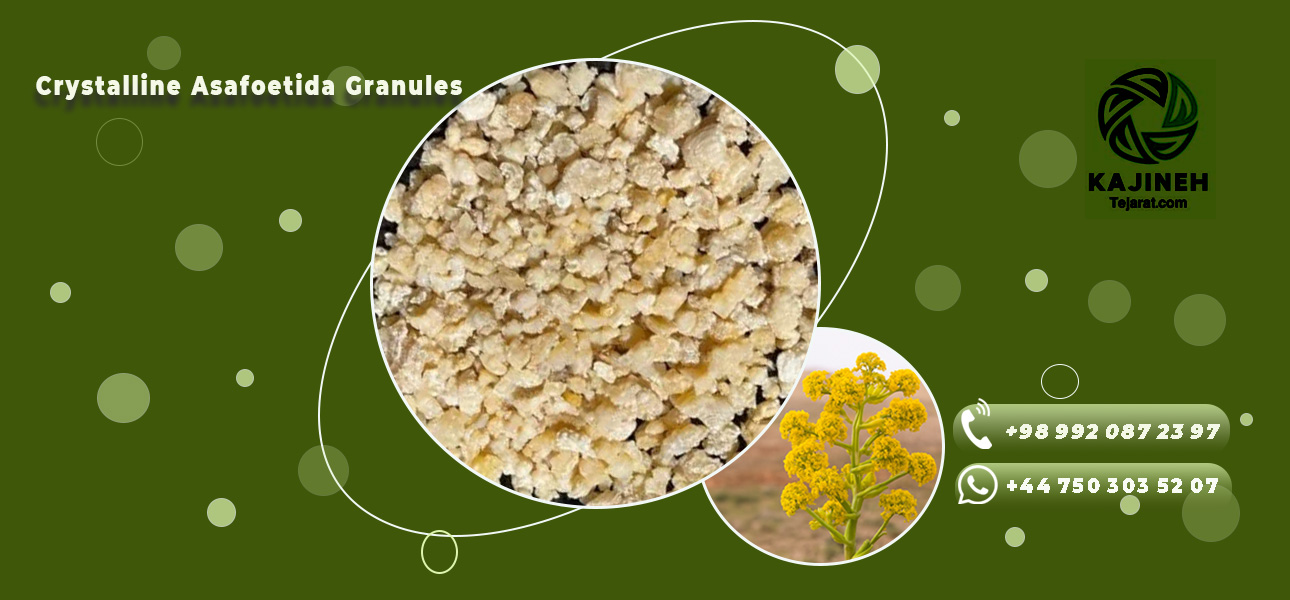
Asafoetida Benefits: Health Benefits, Uses and Safety
Asafoetida benefits have attracted increasing interest among people looking for natural spices with potential digestive and health-supporting properties. Also known as hing, asafoetida is a pungent spice made from the dried oleo-gum-resin of Ferula plants.
Traditionally, asafoetida has been used as a culinary spice and in traditional medicine, particularly for digestive complaints. Modern research has also investigated its antioxidant, antimicrobial, anti-inflammatory, and digestive properties. However, many of these findings come from laboratory or animal studies, so more human research is needed before making strong health claims.
In this article, we explore the potential asafoetida benefits, its traditional uses, how to use asafoetida powder, and important safety considerations.
What Is Asafoetida?
Asafoetida is a dried resin obtained from the roots of certain Ferula plants. It has a very strong sulfur-like smell when raw, but its flavor becomes much milder and more savory when cooked.
The spice is also commonly called hing or asafetida. Asafoetida has traditionally been used in cooking and herbal practices for centuries, particularly in regions where Ferula species are native.
Asafoetida is available in several forms, including:
- Asafoetida resin
- Asafoetida powder
- Hing powder
- Blended culinary spice products
Top Asafoetida Benefits
Research on asafoetida is still developing, but several potential benefits have been investigated.
1. Asafoetida May Support Digestion
One of the best-known traditional asafoetida benefits is its use for digestive discomfort.
A small randomized, double-blind, placebo-controlled study involving 43 adults with functional dyspepsia found that a food-grade asafoetida formulation was associated with improvements in digestive symptoms and quality of life over 30 days. Improvements were reported in symptoms including bloating, fullness after meals, appetite, and digestion.
This is promising, but the study was relatively small, so larger clinical trials are needed.
2. Asafoetida Benefit for Bloating
Another potential asafoetida benefit is support for people experiencing bloating and post-meal fullness.
In the 2018 clinical study, participants receiving the asafoetida formulation experienced improvements in several symptoms related to functional dyspepsia, including bloating and postprandial fullness.
A newer randomized, placebo-controlled study involving 62 participants also reported improvements in early satiety, bloating, heartburn, digestion, and constipation after supplementation with an asafoetida oleo-gum-resin formulation.
However, these results involve specific formulations and doses, not necessarily the small amounts of asafoetida normally used in cooking.
3. Asafoetida Contains Antioxidant Compounds
Asafoetida contains various plant compounds, including phenolic compounds and flavonoids that have demonstrated antioxidant activity.
Antioxidants can help protect cells from oxidative stress. Laboratory and animal research has found antioxidant activity in asafoetida, although the extent to which normal culinary consumption provides meaningful antioxidant effects in humans remains uncertain.
4. Potential Anti-Inflammatory Properties
Another area of interest is the potential anti-inflammatory activity of asafoetida.
Laboratory and animal studies have reported anti-inflammatory effects associated with compounds found in asafoetida. However, these findings should not be interpreted as evidence that eating asafoetida can treat inflammatory diseases in humans. More clinical research is necessary.
5. Potential Antimicrobial Activity
Research has also investigated the antimicrobial properties of asafoetida.
Some laboratory studies suggest that compounds found in asafoetida may have antibacterial and antifungal activity. These findings are interesting from a scientific perspective, but laboratory results do not automatically mean that consuming asafoetida will prevent or treat infections.
6. Asafoetida and Gut Health
Interest in asafoetida and gut health has grown because of its traditional use for digestive discomfort.
A recent randomized controlled study investigated the effects of an asafoetida oleo-gum-resin formulation on people with functional dyspepsia. Researchers reported improvements in digestive symptoms and changes in gut microbiota.
These findings are encouraging, but further research is needed to understand whether these effects apply to ordinary dietary use of asafoetida.
Asafoetida Benefits for IBS
Asafoetida benefits for IBS have also been investigated.
Some small studies have reported improvements in IBS-related symptoms after using asafoetida preparations. However, the overall evidence remains limited and inconsistent.
Therefore, asafoetida should not be considered a proven treatment for irritable bowel syndrome. People with persistent IBS symptoms should discuss appropriate treatment with a qualified healthcare professional.
Asafoetida Benefit for Gas and Indigestion
Traditionally, asafoetida has been used as a digestive spice and is often associated with reducing digestive discomfort and gas.
Modern evidence provides some support for its potential role in digestion, particularly in functional dyspepsia. However, there is currently not enough high-quality evidence to confirm that the small amounts used in everyday cooking reliably prevent intestinal gas.
How to Use Asafoetida Powder
Asafoetida powder is usually used in very small quantities because of its strong aroma and flavor.
It can be added to:
- Lentil dishes
- Soups
- Vegetable recipes
- Stews
- Rice dishes
- Bean-based meals
- Sauces and savory recipes
Adding a small amount to hot oil or another cooking fat can help soften its strong sulfurous aroma and produce a more pleasant savory flavor.
When purchasing asafoetida powder, it is also important to check the ingredients because some commercial products are mixed with wheat or rice flour. People following a gluten-free diet should check the product label carefully.
Asafoetida Powder vs. Asafoetida Supplements
There is an important difference between using asafoetida as a culinary spice and taking concentrated asafoetida supplements.
Most cooking uses involve a very small quantity of spice. Clinical studies, on the other hand, have investigated specific formulations and controlled doses.
For this reason, results from supplement studies should not automatically be applied to ordinary culinary use.
There is also no universally established evidence-based medicinal dosage for asafoetida supplements.
Are There Any Side Effects of Asafoetida?
Asafoetida is generally considered safe when consumed in the small amounts normally found in food. However, concentrated supplements may have different safety considerations.
Possible adverse effects reported with larger amounts include digestive problems, headache, diarrhea, and other reactions.
Pregnant and breastfeeding women, children, and people taking medications that affect blood pressure or blood clotting should be particularly cautious with medicinal or concentrated forms of asafoetida. Some medical sources recommend avoiding medicinal use during pregnancy and breastfeeding because safety data are limited.
Frequently Asked Questions About Asafoetida Benefits
What are the main asafoetida benefits?
The most studied potential benefits relate to digestive health, including possible improvements in bloating, fullness, and indigestion. Asafoetida also contains compounds with antioxidant and antimicrobial activity, although evidence for many of these effects comes from laboratory or animal research.
Is asafoetida good for digestion?
Some clinical research suggests that specific asafoetida preparations may improve symptoms associated with functional dyspepsia. However, more research is needed before definitive conclusions can be made.
What is an asafoetida benefit for bloating?
Small clinical studies have reported improvements in bloating and post-meal fullness among people with digestive symptoms. More large-scale human studies are needed to confirm these effects.
Is asafoetida the same as hing?
Yes. Hing is one of the common names used for asafoetida.
Can I use asafoetida every day?
Small amounts used as a culinary spice are generally considered safe for most people. However, concentrated supplements are different, and there is not enough evidence to establish a standard long-term medicinal dose.
Does asafoetida have antioxidant properties?
Yes. Studies have identified antioxidant activity in asafoetida, but more human research is needed to determine the practical health effects of consuming it in normal dietary amounts.
Conclusion
The potential asafoetida benefits make this traditional spice an interesting subject for both culinary and scientific research. The strongest human evidence currently focuses on digestive health, particularly symptoms associated with functional dyspepsia such as bloating and fullness.
Research has also identified antioxidant, antimicrobial, and anti-inflammatory activities, but much of this evidence comes from laboratory or animal studies.
Asafoetida can be a flavorful addition to many dishes when used in small culinary amounts. For medicinal use or concentrated supplements, however, it is important to consider individual health conditions, medications, pregnancy, and the limited clinical evidence available.
Kajineh offers high-quality asafoetida products for those who want to experience this distinctive traditional spice in their everyday cooking.
- Product Quality: All products are carefully sourced from reputable domestic and international suppliers and meet global standards
- Wholesale price of Angoze 1404 | Export and domestic rates + daily price table
Contact Us:
📞 Phone: +98989920872397
📧 Email: Kajineht@gmail.com
🌐 Website: www.Kajinehtejarat.com
📘 Facebook: Kajineh Tejarat

بدون دیدگاه